
We Are Righteous Brand Collective: How Fans Are Crafting the Vibe
An apparel label is only as powerful as those who sport it into the world at large, and this is precisely where the real story of We Are Righteous starts. This is not a brand shaped solely through advertising spend orstar-driven placements. Instead, it is a label formed in reply threads, in chat groups, in resell forums, and in how folks tag one another under just one hoodie post from the line. Community has emerged as the engine, and the product is simply the excuse for people to gather. If you examine carefully how this fanbase took shape, you see a dynamic resembling comparable enduring streetwear names: a small group of early believers who converse, clash, and in time win strangers over as customers.
What renders this certain community fascinating is how outspoken it is about candor. Folks go beyond simply posting look shots; they craft detailed, no-nonsense review threads that pick apart the seams, the fit, and the wear-and-wash performance after ten uses. Because such examination is unusual, the brand has been pushed to remain answerable — a level of accountability advertising alone never could deliver. The result is a feedback loop where customers effectively co-manage quality control, and the brand listens because the community is the distribution channel.
The Exact Place Where Our Community Truly Finds Its Home
This We Are Righteous audience is dispersed across a few particular spaces rather than a single leading channel, and such distribution is deliberate.
The Instagram channel showcases the imagery, with fans sharing fit checks and mentioning the brand handle for a chance at being reshared.
Discord-style group chats and closed discussion boards host the more detailed discussion, where restock schedules, fit inconsistencies, and upcoming drops get dissected sentence by sentence.
Discussions on Reddit and standalone blogs now righteous tee and then turn up a we are righteous review that goes into a deeper level of analysis than any product page could.
Email lists remain relevant here as well, a fact that catches people off guard given the assumption that younger buyers skip their inboxes. Jumping the line on limited releases is frequently the main force fueling people joining the list, since fans have come to understand that standout clothing releases sell out in a hurry and hardly ever come back in the same color version. Because production runs really are limited, the scarcity isn’t manufactured hype—and fans regard it as a serious matter. Missing a launch by a mere six minutes has evolved into a recurring gag among followers, equal parts irritation and bragging rights.
In several cities, fans—instead of the brand itself—have started organizing grassroots local meetups. Such gatherings are intimate events, on occasion under twenty attendees, organized around exchanging garments, cross-checking sizing between various collections, and photographing looks together. Nothing captures organic loyalty quite like this: followers arranging their own events around a clothing brand unprompted, which reveals a lot about devotion.
Fan-Made Content as the Real Advertising Fuel
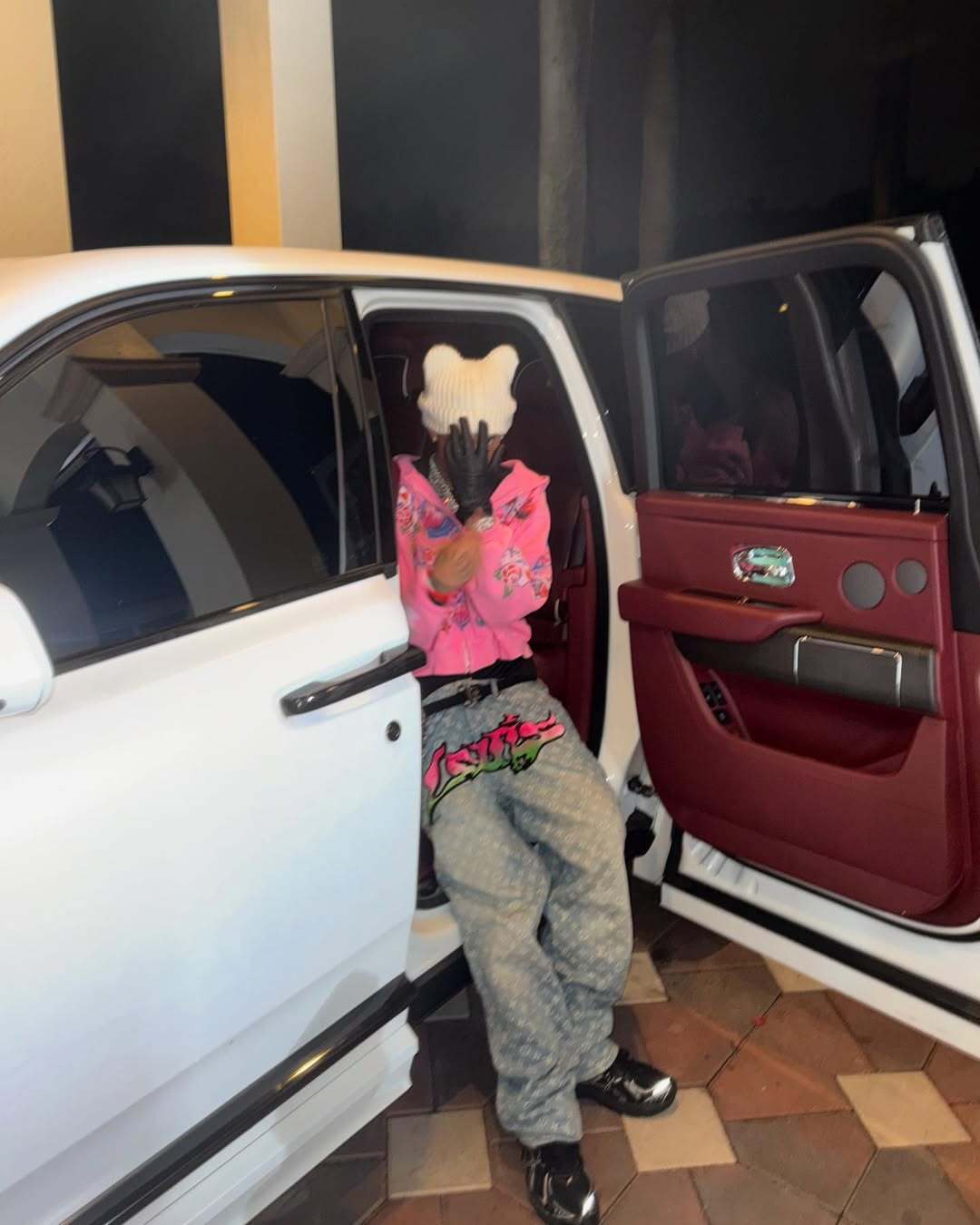
Query anyone who follows street fashion with any real interest and they will explain that user-generated content now surpasses paid advertising for brands at this point of growth. We Are Righteous profits significantly from this dynamic. Since it originates from a person the audience already trusts, a single carefully composed photo of the righteous hoodie styled with contrasting outerwear can generate more engagement than a professional shoot. Customers are not paid influencers in most cases; they are customers who liked how a piece sat on them and wanted to flaunt it.
Where a brand’s own imagery falls short, this content reveals real bodies, real lighting, and genuine everyday settings. Someone wearing a piece on a commute, at a show, or on a weekend trip conveys fit and drape more convincingly than a controlled studio shot. That genuineness is precisely why so many shoppers now look up a righteous review before buying anything, preferring a third party’s honest take over marketing copy. The fanbase has in effect become the brand’s most credible sales team, unpaid but deeply committed.
There is also a secondary effect worth noting. Fans creating content often stacks up pieces against other labels they own—inadvertently generating free competitive analysis for onlookers. A buyer looking into righteous clothing brand quality can, in a few scrolls, see it compared against a handful of other names in the comparable price bracket. A decade ago, this kind of open, casual comparing did not exist in fashion, and it has since raised the bar for every brand, including this one.
Weighing Up How Fan Communities Interact
Not all streetwear community acts the same way, and recognizing those differences clarifies why the We Are Righteous fanbase comes across as different. The following table contrasts typical interaction patterns across three typical community types in this category, based on visible activity rather than brand claims.
| Community Category | Main Platform | Primary Behavior | Typical Post Frequency |
|---|---|---|---|
| Fan community of We Are Righteous | Instagram + private group chats | Outfit checks, release alerts, candid reviews | Multiple times a week around drops |
| Large mainstream streetwear community | TikTok | Trend-based haul videos, unboxing content | Daily, high volume |
| Specialized reseller and collector community | Discord and forums | Authentication, price tracking, trading | Ongoing, nonstop, minimal visual content |
This comparison shows that the We Are Righteous community sits somewhere between the high-frequency chaos of mainstream trend culture and the quieter, more technical world of collector forums. It is visual enough to feel current but detailed enough to feel trustworthy, and that balance is not something a brand can fully engineer on its own.
The Manner in Which Customer Voices Come to Influence the Product Itself
One of the more underrated parts of this brand environment is the direct way community feedback directly influences calls made regarding righteous apparel. Adjusted fit notes on later product pages have over time been prompted by sizing complaints raised in a review thread. Fans themselves casually monitor asks to bring back stock on specific pieces, alerting the brand directly once interest reaches a noticeable threshold. Rather than any kind of structured research setup, what’s happening is closer to an ongoing, unstructured conversation that happens to influence real outcomes.
Fan feedback looks like it influences colorway decisions in particular. Supporters publicly request the return of that colorway whenever a limited righteous hoodie release disappears within hours, and those requests pile up in the comments until they become impossible to overlook. How future runs get planned is shaped by the prominence of that demand, whether or not every request gets fulfilled. Compared to the traditional top-down fashion model most people grew up with, this is a far more transparent relationship between customer and brand.
How true-to-size pieces run has emerged as a particularly common subject shoppers bring up. Because members trade feedback over repeated purchases, recognizable patterns appear in no time — whether an item fits as expected, runs a touch large, or works best layered. Ahead of checkout, new shoppers looking into righteous clothing tend to trust these shopper-gathered sizing notes even more than the official size chart on its own, using the group’s consensus as a second layer of confirmation.
What to Take Away Looking Ahead to 2026
Moving further into 2026, the label seems on track for its community dynamic strengthen rather than weaken. A growing number of cities are seeing impromptu gatherings emerge, a growing number of independent reviewers are putting out in-depth rundowns, and a growing share of first-time buyers are arriving already readied by someone else’s honest righteous-review testimonial rather than detached promotional messaging. That marks a substantially altered shopper experience versus what most fashion brands go through, and it places demand on product quality to continue keeping pace with the dialogue happening around it.
On top of that, there’s a rising expectation among the fanbase that the brand will keep listening, not just manufacturing. Fan communities built on this sort of engagement struggle to accept quiet; they look for a response when suggestions leads to a shift, even down to a blurb calling out a widely-made ask. Because people stay invested in brands that visibly respond to them, such anticipation ups the ante while also deepening loyalty.
At the end of the day, the vibe that’s grown around We Are Righteous has been constructed by dialogue far more than by ad pushes. Loyal followers comparing fits, arguing over sizing, organizing their own meetups, and sharing honest, unsponsored write-ups have done more to define who the brand really is more than any single marketing push could. That grassroots foundation is fragile in some ways, given that it hinges completely on sustained trust, but it is also uniquely resilient. A community that forms on its own tends to protect what it created, and this pattern is apt to continue shaping this brand for years after this one.


